Mold Removal in Parker, TX
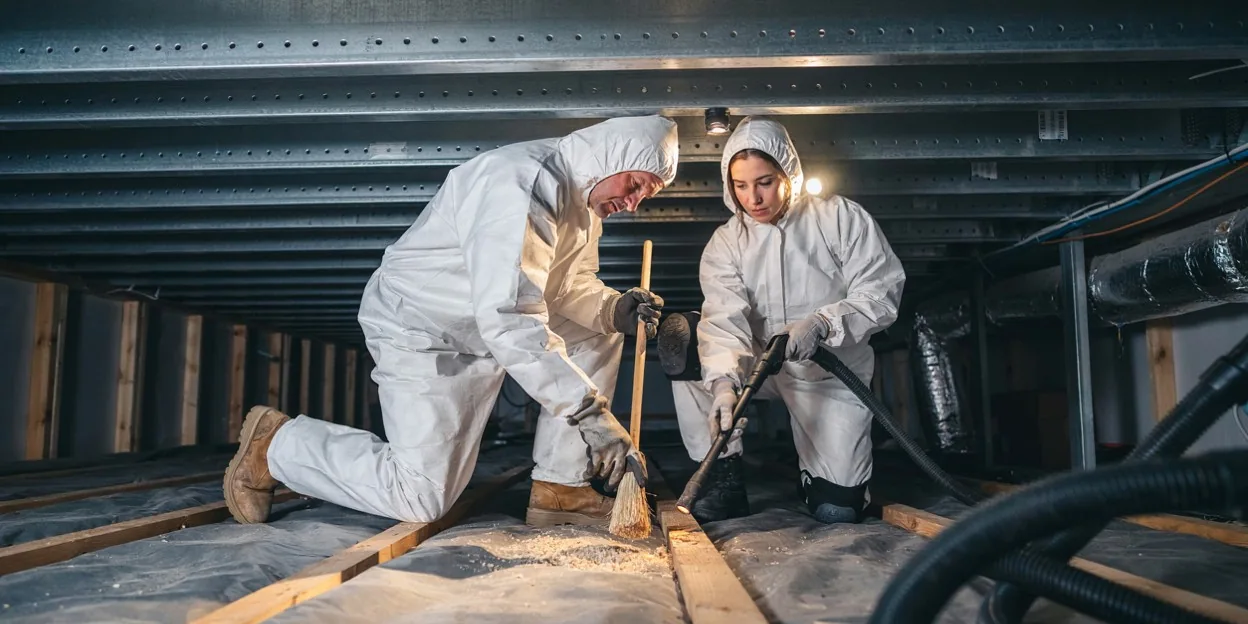
Parker is the town east of Plano where the lots get big. Most houses sit on one to two acres along Parker Road and the lanes south of it, custom-built from the 1970s through the 2010s, and many of them run on septic systems and private wells or long yard lines from the city meter. The brick-and-stone two-stories of the 2000s share the Collin County pattern of a post-tension slab and an attic air handler; the 1970s ranches on the older lanes have copper and cast iron under a conventional slab.
Big lots bring their own water problems. A yard line that runs two hundred feet from the meter can leak at the foundation for a year before the bill makes anyone look. Septic drain fields saturated by a wet spring push moisture back toward the house. And Parker took two-inch hail on April 11, 2016, the same storm that put softball-size stones on Wylie a few miles east, so roofs here have been patched and re-patched for a decade.
Parker homeowners who use this line are connected to an independent local mold provider who handles the metering, the scope, and the work. We do not do any of that ourselves; we put the call through.
Mold removal on an acre lot in Parker
A wet slab edge inside a garage or a utility room where the yard line enters is mold removal, with the line traced first. A 1978 ranch with a soft hall floor and a cast iron drain under it may be whole-home mold remediation if the water has spread to several rooms. Stained decking under a roof that took the 2016 hail is attic mold remediation.
The town hall and the ranch everyone has heard of
Rebuilds inside the town limits are permitted through the City of Parker. The town's most famous address is Southfork Ranch, the white house with the columns that stood in for the Ewing home on the television series Dallas, and the lots around it set the pattern for the rest of Parker.
Call (972) 787-0657 and tell us what you see. We put you through to a local mold provider serving Parker.
Services Available in Parker
Mold Removal
Growth on drywall after a slab leak, a water heater, or a washer box let go: room sealed, wet board cut to the meter line, framing HEPA-cleaned and dried.
Black Mold Removal
A dark patch handled by how far the water traveled, not its color: containment up, porous material out, hard surfaces cleaned, the leak fixed before closing.
Whole-Home Mold Remediation
A slab leak that ran for months or a line that split in a freeze and soaked several rooms, mapped wall by wall and cleared in zones as one project.
HVAC Mold Cleaning
Coil, drain pan, and condensate line cleaned or replaced when the attic air handler sweats through a 100-degree Plano summer and drips into the ceiling below.
Bathroom Mold Removal
Growth behind a vanity, under a shower pan, or on a ceiling with a weak fan, removed after the supply line or the drain leak behind it is repaired.
Attic Mold Remediation
Growth on roof decking under hail-cracked shingles or around a sweating duct, cleaned and treated once the roof and the insulation are put right.
Mold Odor Removal
A musty smell in a house that looks fine, traced to the wet pad under the floor or the drywall behind a cabinet, then removed and treated.
Mold Damage Repair
Drywall, texture, baseboard, and cabinet bottoms put back after removal, once the slab reads dry and the plumber has fixed what started it.